
How Long Do All-on-4 Implants Last?

Patients ask me this more than almost any other question during a same-day full-arch consultation: how long will these actually last? All-on-4 longevity comes down to two separate clocks running at different speeds — the implants themselves and the prosthetic teeth attached to them. In my Greensboro, NC practice, well-maintained All-on-4 implants typically support a titanium foundation that lasts decades, often the rest of a patient's life, while the visible teeth on top usually need refreshing or replacing every 10 to 15 years.
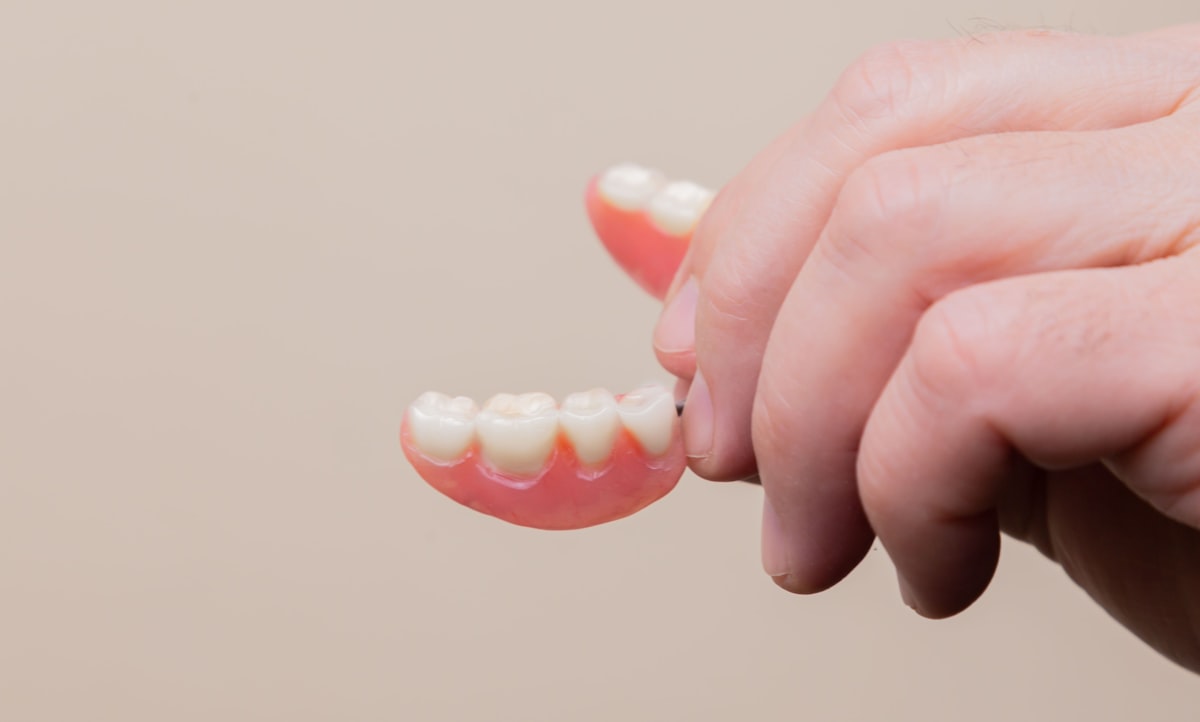
The implants fuse to the jawbone through a process called osseointegration, and once that bond is established, usually within 3 to 6 months of surgery, it tends to hold as long as the surrounding bone stays healthy. The bridge sitting on top is a different story. Acrylic teeth wear from normal chewing forces, and even the sturdier zirconia versions can chip or need adjustment as your bite settles over the years. Zirconia costs more upfront but generally outlasts acrylic by several years, which is a trade-off worth discussing at your consultation rather than assuming one material is simply better. Think of it less like a single product with one expiration date and more like a house: the foundation is built to last, but you still repaint and re-roof on a schedule.
Here's what I don't see mentioned in most patient brochures: the single biggest predictor of how long an All-on-4 prosthesis lasts isn't the material, it's whether the patient clenches or grinds at night. I've had patients wear through an acrylic bridge in under five years because of untreated nighttime bruxism, and I've had others go 18 years on the same set of teeth because they wore a protective guard and kept up with adjustments. If you're in that situation, a night guard is often the cheapest insurance you'll ever buy for a full-arch restoration. It's a five-minute conversation at a maintenance visit that can add years to the life of your prosthesis.
What This Means for You
Realistic expectations matter here. Budget mentally for a prosthesis refresh sometime in your second decade, not because something went wrong, but because acrylic and zirconia both have a service life. Come in for maintenance visits every six months so we can check screw tightness, tissue health around the implants, and early wear patterns before they turn into a bigger repair. Patients who follow that schedule rarely end up needing anything beyond routine adjustments, and most avoid an unplanned replacement altogether. You can read more about our full-arch approach at /dental-implants-greensboro-nc, or learn about Dr. Brenes' training and background at /meet-dr-brenes.
Frequently Asked Questions About All-on-4 Longevity
Do All-on-4 implants ever need to be replaced completely? Rarely, and if it happens it's almost always the prosthetic teeth being swapped for a new set rather than the implants themselves needing removal. The implants have a documented success rate around 95 to 98 percent over 10 years when the patient has healthy bone and good hygiene, which is a track record few dental procedures can match.
Does smoking affect how long All-on-4 implants last? Yes, significantly. Smoking restricts blood flow to the gum and bone tissue around implants, which raises the risk of bone loss and implant failure. Patients who quit before surgery, or at least during healing, see noticeably better long-term outcomes and fewer complications down the road.
How do I know if my All-on-4 bridge needs to be replaced? The signs are usually gradual: visible wear facets on the biting surfaces, minor chips, or a change in how your bite feels when you close down. That's exactly what we check at every maintenance visit, and catching it early usually means a simple adjustment rather than a full remake.
Ready to talk to a specialist? Dr. Brenes and the team at Lake Jeanette Dentistry are accepting new patients in Greensboro, NC. Call (336) 545-4281 or visit ljfamilydentist.com to book your consultation.
Comments