
Full Mouth Rehabilitation in Greensboro: A Complete Patient Guide

Full mouth rehabilitation in Greensboro, NC usually isn't something a patient plans for months in advance — it's something they arrive at after years of small compromises: a crown here, a bridge there, a bite that's slowly drifted until chewing steak feels like a project. By the time someone sits in my chair asking about it directly, their mouth has usually already told me the story. Full mouth rehab isn't one procedure. It's a coordinated plan that rebuilds function, bite alignment, and appearance across most or all of the teeth, and doing it correctly takes more sequencing than most patients expect walking in.
What "Full Mouth" Actually Means in Treatment Planning
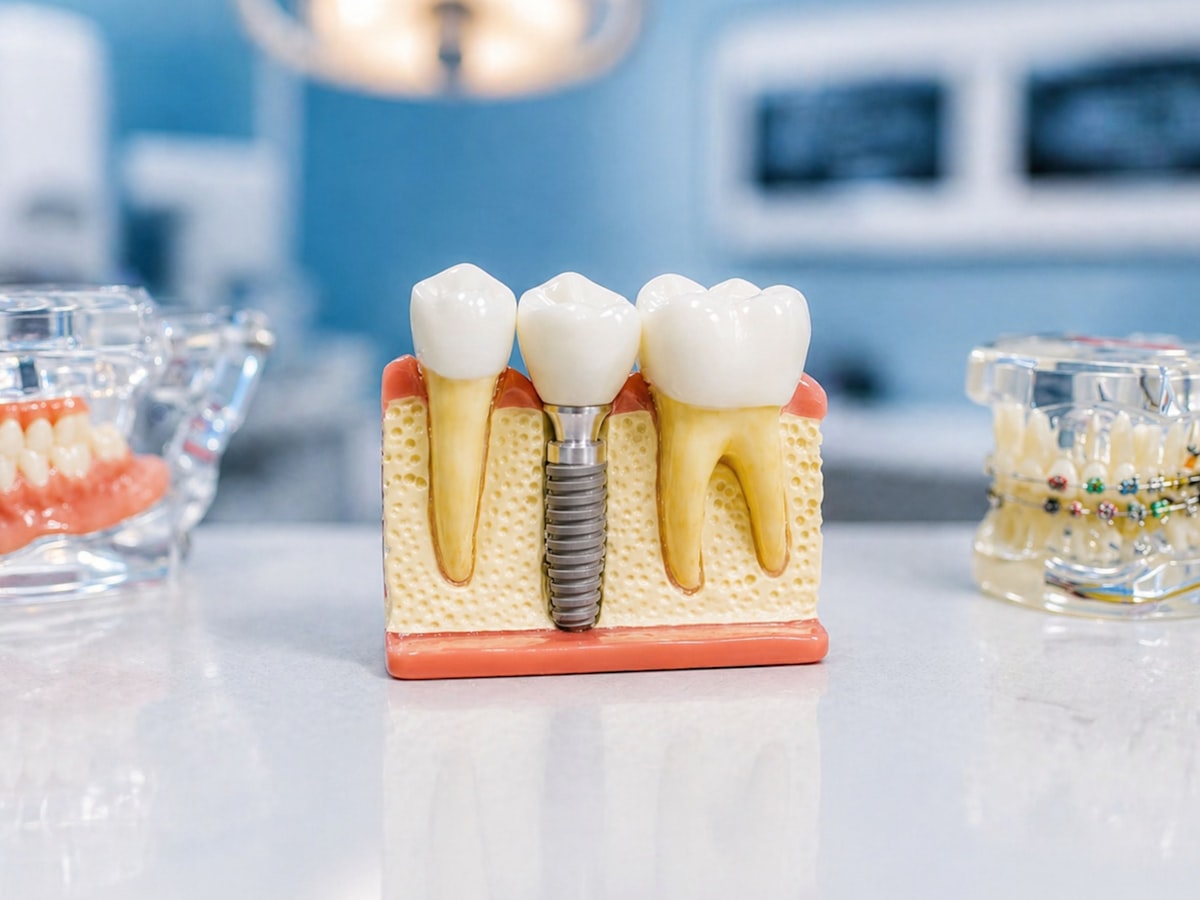
The phrase gets used loosely online, so it helps to separate what it means clinically. A true full mouth rehabilitation addresses every tooth's bite relationship, not just the ones that look bad. That can mean a combination of dental implants for missing teeth, crowns or onlays for worn or fractured teeth, and sometimes orthodontic movement before any restorative work starts. Some patients need all of it. Others need three or four strategically placed implants combined with crowns on the remaining natural teeth — full mouth doesn't always mean full extraction. I've had patients walk in assuming they'd need dentures who left with a plan to keep six or eight of their own teeth as anchors. The honest answer is that the plan should follow the mouth, not a template. Many of these cases start with the same evaluation we use for /dental-implants-greensboro-nc, since implant placement is so often part of the plan.
The Bite Comes Before the Cosmetics
Here's the clinical insight that surprises most patients: the single biggest predictor of whether a full mouth case holds up ten years out isn't the crown material or even the implant brand. It's whether we correct the vertical dimension of occlusion before anything gets finalized. Vertical dimension is the space your jaw sits at when your teeth come together. Years of wear collapse that space gradually, and if teeth are restored at the collapsed bite instead of reopening it to the correct height, the new crowns and implants take on stress they weren't built for. I've seen beautifully made restorations fail within two or three years because that step got skipped. It's not glamorous work, and it happens before a patient ever sees a temporary tooth in the mirror, but it's the difference between a rehab that lasts 15 years and one that needs redoing.
What the Timeline Actually Looks Like
A comprehensive full mouth case in my Greensboro practice typically runs 4 to 9 months from initial records to final delivery, depending on how many implants are involved and whether bone grafting is needed first. If implants are part of the plan, healing generally takes 3 to 6 months before we can load them with permanent restorations, and that's biology, not something better technology can rush. Patients who need extractions and grafting on the front end land at the longer end of that range. Patients who mostly need crown and bridge work on existing teeth, without implant surgery, can sometimes finish in 8 to 10 weeks. I tell patients this timeline upfront because the top source of frustration in a rehab case is a schedule that wasn't set correctly at the start.
What It Costs and How Patients in the Triad Pay for It
Full mouth rehabilitation is one of the more involved things we do, and the investment reflects the number of teeth involved, whether implants are part of the plan, and the materials chosen for the final restorations. What makes it accessible for most patients isn't the price shrinking, it's financing structured around it. We work with CareCredit and Sunbit so patients can spread payments over time rather than covering the full case cost upfront, and dental insurance sometimes covers a portion of individual procedures like crowns or extractions even when it won't cover the case as a whole. Ask us to walk through your specific plan before committing to anything; every case is different enough that a general number isn't useful on its own. Our /patient-resources page has more detail on financing options if you want to look before your consultation.
Why Greensboro Patients Choose to Do This Locally
What I see in my Greensboro practice is that patients from Summerfield, Oak Ridge, and a fair number from Winston-Salem end up here specifically because full mouth cases require someone who can plan the surgical and restorative sides together instead of bouncing between three different offices. That coordination cuts down on repeat imaging, mismatched timelines, and the kind of miscommunication that happens when three different providers are working from three different records. If you're driving in from High Point or Kernersville, the extra 20 minutes on the front end usually saves you months of back-and-forth later. We also work closely with patients' general dentists on ongoing maintenance once a rehab case is complete, since regular cleanings and checkups still matter long after the final restorations are delivered.
Frequently Asked Questions About Full Mouth Rehabilitation
Will I be without teeth during treatment? No. In nearly every case we design and deliver a temporary set of teeth before anything permanent goes in, so you're never walking around without teeth during healing. For implant cases, that temporary restoration is often what you wear during the 3 to 6 month healing window.
How is this different from getting veneers? Veneers address appearance on teeth that are otherwise healthy and structurally sound. Full mouth rehabilitation is a functional rebuild. It corrects how your teeth meet, chew, and support your jaw, and it's often needed when there's significant wear, missing teeth, or bite collapse that veneers alone can't fix.
Do I need to be missing most of my teeth for this to apply to me? Not at all. Some of the most successful cases I've done involved patients who kept most of their natural teeth, where the rehab focused on a handful of implants and crowns to correct the bite around teeth that were already healthy.
Ready to talk to a specialist? Dr. Brenes and the team at Lake Jeanette Dentistry are accepting new patients in Greensboro, NC. Call (336) 545-4281 or visit ljfamilydentist.com to book your consultation.
Comments