
All-on-4 vs All-on-6 Dental Implants: What NC Patients Should Know

Updated: Jul 13
Patients researching full-arch tooth replacement almost always land on the same question: All-on-4 vs All-on-6 dental implants, and which one actually fits their mouth. In my Greensboro, NC practice, I hear this question from patients who have spent weeks reading forum posts and watching implant company marketing videos that make the decision sound simpler than it really is. Both approaches replace an entire arch of teeth using a fixed bridge anchored to a small number of implants, but the implant count, the bone requirements, and the long-term maintenance differ enough that the right answer depends on your specific anatomy, not a marketing preference.
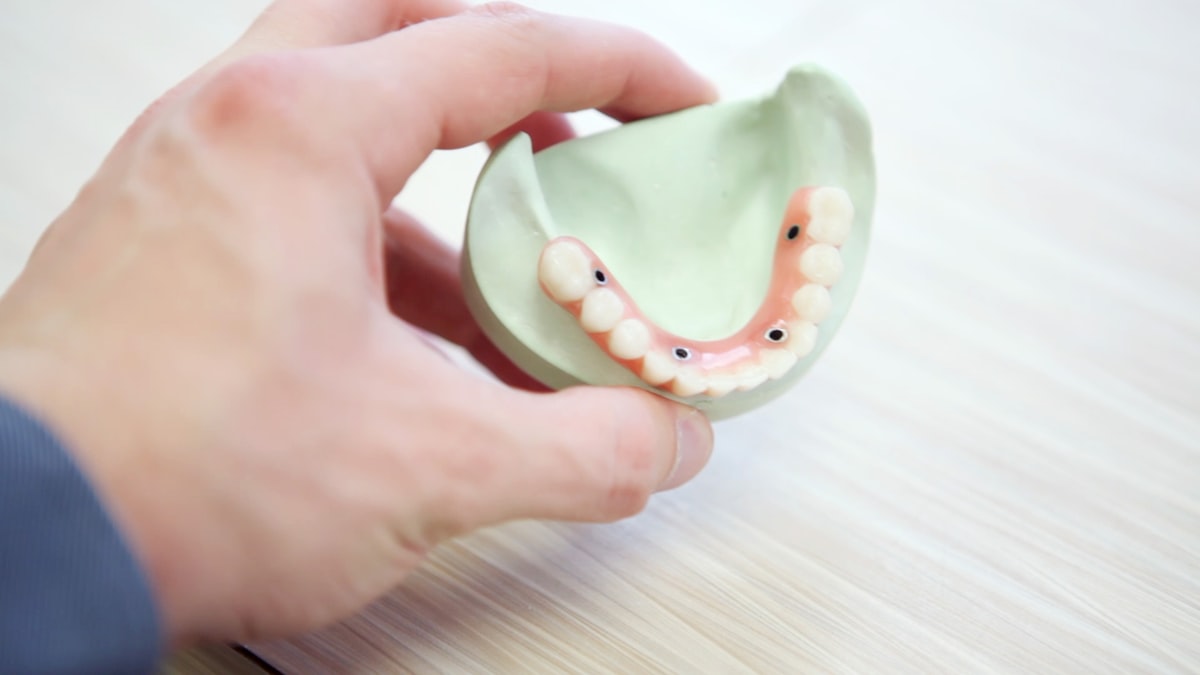
What All-on-4 and All-on-6 Actually Mean
All-on-4 uses four implants per arch, positioned so the two back implants are angled roughly 30 to 45 degrees to reach denser bone near the sinus or nerve, which often avoids the need for a bone graft. All-on-6 adds two more implants, typically placed straight rather than angled, spreading bite force across six anchor points instead of four. Both techniques support a full arch of fixed teeth, usually a milled or printed hybrid denture, that patients don't remove at night the way they would a traditional denture. The final result looks and functions similarly from the outside; the difference is in what's holding it in place underneath the gumline.
Why the Extra Two Implants Matter
The clinical reason to add implants isn't marketing, it's load distribution. Four implants can absolutely support a full arch, and I've placed plenty of successful All-on-4 cases over the years for patients who were excellent candidates. But six implants spread chewing forces more evenly across the jaw, which matters most for patients who grind their teeth at night, have an unusually strong bite, or are replacing a lower arch, where forces run higher than they do on the upper jaw. If a patient shows me signs of bruxism, worn enamel on remaining natural teeth, or asks specifically about eating steak and corn on the cob without worry, I'm more likely to steer the conversation toward All-on-6.
If you're the kind of patient who wakes up with a sore jaw or has already worn through a night guard, here's what I'd tell you: All-on-6 gives you a wider margin for error, and in my experience it holds up better over a 10 to 15 year span in patients with heavy bite forces. That's not true for every patient, but it's a pattern I've seen consistently enough to bring up early in the consultation.
Bone Quality Changes the Decision More Than Preference Does
This is where a lot of online comparisons get it backwards. All-on-4 was originally developed for patients with bone loss significant enough to rule out placing six implants without a graft. The angled back implants tilt into bone that's still available even after years of missing teeth or long-term denture wear, which is why All-on-4 became so popular for patients switching off dentures. All-on-6 generally requires more bone volume in the back of the jaw, particularly near the sinus floor on the upper arch. A 3D CT scan tells us within minutes which category a patient falls into, and it's one of the first things we do during a full-arch consultation, alongside reviewing treatment options at /dental-implants-greensboro-nc.
One pattern I see more often than patients expect: someone who was told years ago that they're "not a candidate" for implants because of bone loss is frequently still a good All-on-4 candidate, because the technique was designed around exactly that limitation. That distinction gets lost in general conversation, and it changes the entire treatment plan once a patient understands it.
Cost and Long-Term Maintenance
All-on-4 typically costs less per arch than All-on-6 simply because there are fewer implants involved and, in many cases, no bone grafting needed beforehand. All-on-6 costs more upfront but can mean fewer complications down the road for patients with heavy bite forces, which sometimes offsets the difference over a decade of ownership. Financing through CareCredit or Sunbit makes either option accessible on a monthly basis rather than requiring a lump sum, which is how most of our full-arch patients structure payment. Neither approach is automatically the more accessible route; it depends on what your bone and bite actually need, and that's a conversation worth having before you compare price tags.
What This Looks Like for Greensboro Patients
Most of the full-arch cases I see in the Triad come in after years of failing bridgework or a denture that never fit quite right. Patients drive in from Summerfield, Oak Ridge, and even Winston-Salem specifically because full-arch implant planning benefits from having a prosthodontist and 3D imaging in the same building, rather than bouncing between a surgeon's office and a separate denture lab across town. That single-location planning is part of why we built our digital workflow around same-day scanning and treatment planning at the first visit, so patients leave with real answers instead of a referral slip. For patients weighing their options more broadly, /prosthodontist-greensboro-nc walks through how specialist training factors into full-arch planning specifically.
Frequently Asked Questions About All-on-4 vs All-on-6 Implants
Can I switch from All-on-4 to All-on-6 later if I change my mind? In some cases, yes. If you have adequate bone available, we can place two additional implants after the fact, though it's more involved than planning for six from the start. It's one more reason a thorough CT scan before treatment matters more than picking a technique off a brochure.
How long does recovery take for either option? Most patients are back to normal daily activity within a week, and full healing before the final restoration is placed usually takes 3 to 6 months, depending on bone density and whether grafting was needed along the way.
Does dental insurance cover All-on-4 or All-on-6 in NC? Coverage varies widely, and most North Carolina dental plans treat full-arch implants as a major or non-covered service. We walk through your specific plan during the consultation and discuss financing options like CareCredit when out-of-pocket costs are a concern.
Ready to talk to a specialist? Dr. Brenes and the team at Lake Jeanette Dentistry are accepting new patients in Greensboro, NC. Call (336) 545-4281 or visit ljfamilydentist.com to book your consultation.
Comments