
What Is a Deep Cleaning (Scaling and Root Planing) and Do You Need One?

If your hygienist has ever mentioned pocket depths during a routine visit and then used the words deep cleaning, you already know how fast an ordinary appointment can start to feel like something bigger. A deep cleaning, known clinically as scaling and root planing, is one of the most common procedures we recommend at our Greensboro, NC practice, and also one of the most misunderstood. Patients often assume it means their teeth are in serious trouble. Most of the time it means we caught something early enough to treat without surgery.
What Scaling and Root Planing Actually Involves
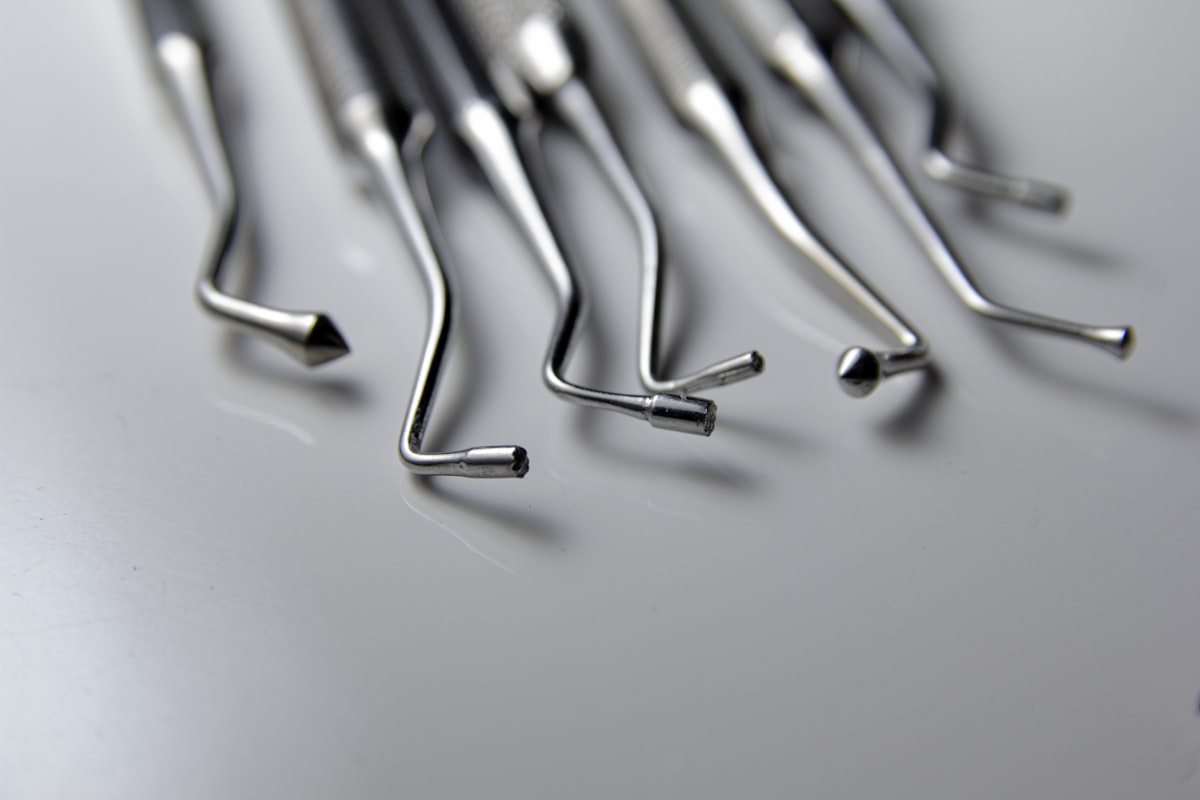
A standard cleaning removes plaque and tartar from the visible surfaces of your teeth and just below the gumline. Scaling and root planing goes further. We use hand instruments and an ultrasonic scaler to clear bacterial buildup from below the gumline, down along the root surface, where a toothbrush and floss can't reach. Root planing smooths that surface afterward so your gum tissue has a clean, even area to reattach to instead of a rough, bacteria-holding ledge. We typically numb the area first, since working that far below the gumline isn't comfortable otherwise, and we usually split the mouth into two visits of 45 to 60 minutes each rather than doing all four quadrants in one sitting. It's a different procedure than the routine visit described on our teeth cleaning page at ljfamilydentist.com/teeth-cleaning-greensboro-nc, and insurance treats it as a separate category entirely.
Why a Regular Cleaning Stops Working at a Certain Point
The dividing line is pocket depth. A healthy gum pocket measures 1 to 3 millimeters, and a standard cleaning keeps it there. Once a pocket reaches 4 millimeters or deeper, plaque and tartar have moved into territory a regular cleaning physically cannot reach, and the bone underneath starts to lose ground. That's the threshold we use to recommend scaling and root planing instead of a routine cleaning. What I see often in my Greensboro practice is a specific pattern: patients who clench or grind their teeth develop deeper pocketing around certain teeth even when their home care is genuinely good, because the extra load from grinding accelerates bone and attachment loss in ways brushing and flossing alone can't offset. It's a detail that gets missed if nobody's looking at occlusion alongside gum health, and it's part of why treatment plans sometimes include a night guard alongside the deep cleaning itself.
Deep Cleaning in Greensboro: A Typical Case
One pattern I see constantly, especially in patients driving in from Summerfield and Oak Ridge for their first visit with us, is someone who has kept up with cleanings every six months for years and still gets a deep cleaning recommendation. That's not a scheduling failure on their part. Gum disease progresses quietly, often without pain, and a patient can have healthy-looking gums at the front of the mouth while losing bone around a molar in the back. If you're looking at a treatment plan that lists SRP across four quadrants and wondering whether this is a sales pitch, here's what I'd tell you: ask to see your pocket depth chart and your X-rays side by side. The numbers and the bone levels either support the recommendation or they don't, and a good practice will walk you through both without hesitation.
What It Costs and How Insurance Handles It
Cost varies depending on how many quadrants need treatment, but most dental insurance plans classify scaling and root planing as a covered periodontal procedure rather than cosmetic care, so a portion is typically reimbursed once your deductible is met. For the part insurance doesn't cover, we offer CareCredit and Sunbit financing so cost doesn't force you to delay treatment that only gets more expensive the longer it waits. Delaying doesn't make the problem smaller. Bone loss around a tooth root doesn't reverse on its own, which is exactly why we set the 4-millimeter threshold as the point where we stop recommending a standard cleaning and start recommending this instead.
Recovery and What Happens Next
Most patients describe mild soreness and some sensitivity to hot or cold for two to four days afterward, similar to a deeper version of typical cleaning sensitivity. We recommend soft foods for the first day or two and ask patients to hold off on smoking, which slows gum healing significantly. Gum tissue needs roughly four to six weeks to tighten back around the tooth and show real improvement in pocket depth, which is why we schedule a follow-up measurement at that point rather than guessing. Done well and paired with consistent home care afterward, this approach halts active gum disease in the large majority of patients we treat, without ever requiring surgery.
Signs You Might Need One
Bleeding when you brush or floss, gums that look like they've pulled slightly away from the tooth, persistent bad breath that toothpaste doesn't fix, and teeth that feel a little looser than they used to are all signals worth mentioning at your next visit. None of these confirm gum disease on their own, and it isn't something to self-diagnose. A pocket depth chart and a set of current X-rays are the only reliable way to know what stage things are actually at, which is part of what we check at every visit at our Greensboro, NC practice, whether or not scaling and root planing ends up being necessary. You can find more on what a full exam covers at ljfamilydentist.com/patient-resources.
Frequently Asked Questions About Deep Cleaning
Does a deep cleaning hurt? We numb the area beforehand, so most patients feel pressure and vibration rather than pain during the appointment itself. The soreness that shows up afterward is usually mild and manageable with ibuprofen, and it fades within a few days.
How many appointments does scaling and root planing take? We generally split it into two visits, treating one side of the mouth at a time, each running 45 to 60 minutes. Some patients with more limited involvement can finish in a single longer visit.
Will insurance cover a deep cleaning? Most PPO plans cover scaling and root planing as a periodontal benefit once your deductible is met, usually at a similar percentage to other major procedures. We check your specific benefits before treatment so there are no surprises, and CareCredit or Sunbit financing covers whatever portion insurance doesn't.
Ready to talk to our expert team? Dr. Brenes and the team at Lake Jeanette Dentistry are accepting new patients in Greensboro, NC. Call (336) 545-4281 or visit ljfamilydentist.com to book your consultation.
Comments