
How to Floss Correctly: The Guide Nobody Actually Reads But Should

Ask ten patients how to floss correctly and eight of them will describe a motion that's closer to sawing than cleaning. It's the single most common technique error I see chairside, and it's the reason patients who floss every night still show up with bleeding gums. If you're one of the many people in Greensboro, NC who floss out of guilt more than confidence, this is the reset you need.
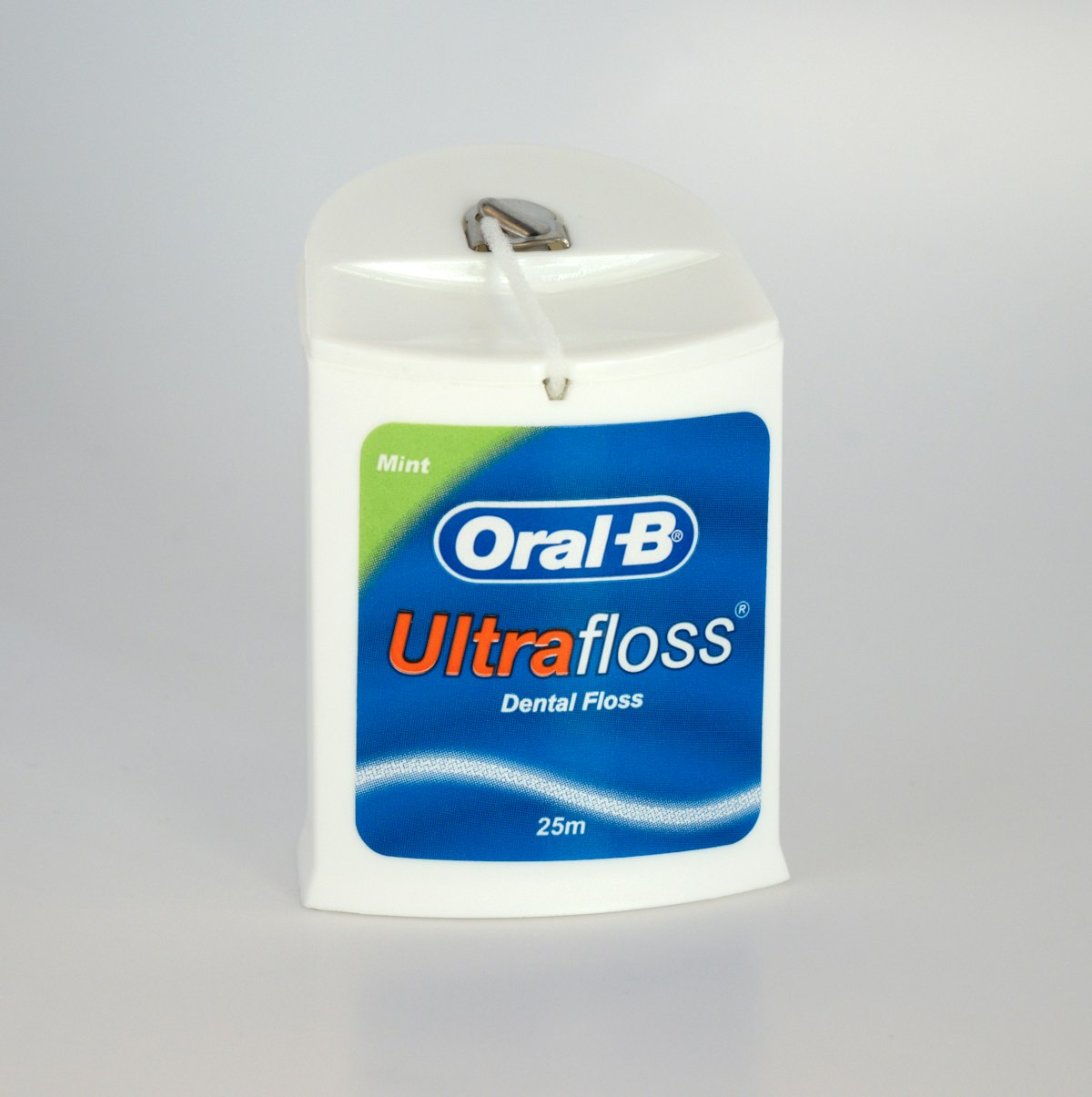
How to Floss Correctly, Step by Step
Cut about 18 inches of floss and wind most of it around your middle fingers, leaving an inch or two of working length between your hands. Slide the floss between two teeth using a gentle back-and-forth motion until it reaches the gumline, then curve it into a C-shape against one tooth and slide it up and down four or five times before repeating on the neighboring tooth. That C-shape is the part almost everyone skips. Without it, you're cleaning the contact point between teeth but missing the pocket right at the gumline, which is exactly where plaque builds into the tartar a hygienist has to scrape off later.
What I see in my practice near Lake Jeanette is a pattern: patients who've had crowns, bridges, or implants placed tend to floss around them more carefully than around their natural teeth, because they're worried about damaging the restoration. That instinct is backwards. Restorations are more resistant to the kind of gum irritation untreated plaque causes, not less, and the tissue around an implant can go from healthy to inflamed in a matter of weeks if it isn't cleaned daily. If you have any restorative work, ask your hygienist to show you the specific floss or floss threader that works best around it.
Floss picks and water flossers both have a place, particularly for patients with limited dexterity or orthodontic appliances, but neither fully replaces the mechanical scraping action of traditional floss against the tooth surface. The honest answer is that any flossing beats no flossing, so if a pick is what actually gets you to do it every night, use the pick.
What This Means for You
Two minutes a night, done with the right motion, does more for your long-term dental health than any whitening treatment or electric toothbrush upgrade. Gum disease is largely preventable, and technique matters more than the tool you use. If it's been a while since someone actually watched you floss and corrected your form, that's worth bringing up at your next cleaning at Lake Jeanette Dentistry, whether you're a neighbor right here in the Lake Jeanette area or driving in the short distance from Summerfield or Oak Ridge. We're happy to walk through proper technique chairside in under a minute, and you can see what a typical hygiene visit looks like on our /teeth-cleaning-greensboro-nc page, or get general guidance on appointments at /patient-resources.
Frequently Asked Questions About Flossing Correctly
Does it matter what time of day I floss? Nighttime is ideal because it clears out the day's food debris and plaque before hours of sleep give bacteria uninterrupted time to work on your enamel and gums. Morning flossing is better than none, but evening is where it counts most.
Why do my gums bleed when I floss, even though I do it regularly? Bleeding usually means the technique needs adjusting, not that you should floss less. It's often a sign the floss isn't reaching the gumline in that C-shape curve, so plaque sits there and inflames the tissue. Give it seven to ten days of consistent, correct technique and the bleeding typically resolves on its own.
Is flossing really necessary if I brush twice a day? Yes. A toothbrush cleans roughly 60% of each tooth's surface. The other 40%, the space between teeth, is only reachable with floss or a similar interdental tool, and skipping it leaves the highest-risk area for cavities and gum disease untouched.
Ready to talk to a specialist? Dr. Brenes and the team at Lake Jeanette Dentistry are accepting new patients in Greensboro, NC. Call (336) 545-4281 or visit ljfamilydentist.com to book your consultation.
Comments