
Electric vs Manual Toothbrush: What Dentists Actually Recommend

Patients ask me the electric vs manual toothbrush question almost every week here at our Greensboro, NC practice, usually while holding a brand-new manual brush like it already let them down. The honest answer is more nuanced than any toothbrush commercial makes it sound, and it depends less on the gadget than on how you actually use it.
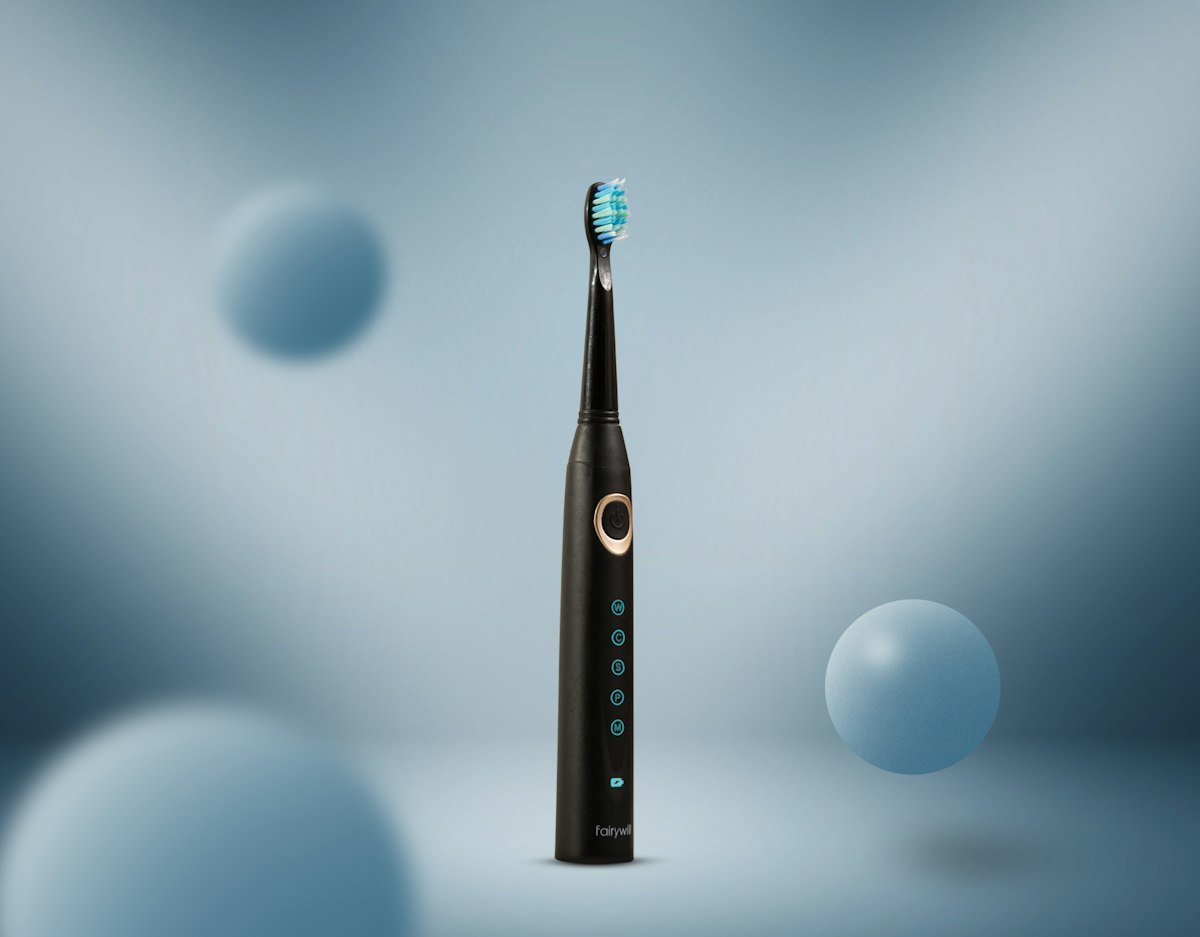
Electric vs Manual Toothbrush: Why Technique Matters More Than the Gadget
If you're brushing correctly for two full minutes, twice a day, with a soft-bristled brush at a 45-degree angle along the gumline, a manual toothbrush and a good electric brush produce nearly identical results. What tips the scale toward electric is technique - the built-in timer and pressure sensor quietly correct the two mistakes almost every patient makes, which are brushing too fast and pressing too hard. In my chair, I can usually tell within seconds who's using a pressure-sensor electric brush versus who's been scrubbing hard with a manual one, because the gumline recession pattern looks completely different on each.
There's one clear exception. Patients with limited dexterity - arthritis, Parkinson's, recovery from a stroke or hand injury - see the biggest real-world improvement switching to electric, since the brush handles more of the mechanical motion. For everyone else, a $200 electric brush with poor technique still won't out-clean a $4 manual brush used correctly for two minutes. The technology helps most when it's compensating for a habit, not replacing good habits altogether.
What This Means for You
If you already brush well - two minutes, soft bristles, gentle pressure at the gumline - stick with what you have and save the money. If you tend to rush through it, brush harder than you realize, or we keep finding plaque building up in the same spots visit after visit, an electric brush with a timer and pressure sensor is worth adding. Oscillating-round heads and sonic brushes perform similarly well in the research; the real difference-maker is the built-in timer and sensor, not which technology sits inside the handle.
We talk through technique like this at every cleaning visit here in Greensboro, and it's one of the most common questions we hear from patients across the Piedmont Triad, especially parents deciding what to hand their kids. You can find more preventive care guidance on our patient resources page at /patient-resources, and if it's been more than six months since your last visit, our /teeth-cleaning-greensboro-nc page covers what a good cleaning actually catches that brushing alone can't.
Frequently Asked Questions About Electric vs Manual Toothbrushes
Is an electric toothbrush actually worth the extra cost? For most patients, yes - but not because the motor cleans better on its own. The timer and pressure sensor fix the habits that cause the most long-term damage, which matters more than the brushing technology itself. If you already time yourself and brush gently, you can keep your money and your manual brush.
Can kids use electric toothbrushes? Kid-sized electric brushes work well starting around age three, mostly because the built-in two-minute timer turns brushing into a game instead of a fight. Just supervise the pressure - kids tend to press hard, and a sensor model that lights up or slows down when they push too hard helps build the right habit early.
How often should I replace the brush head? Every three months, or sooner if the bristles start to splay outward, and that rule holds whether you're using electric or manual. A worn brush head stops removing plaque effectively no matter how good your technique is.
Ready to talk to our expert team? Dr. Brenes and the team at Lake Jeanette Dentistry are accepting new patients in Greensboro, NC. Call (336) 545-4281 or visit ljfamilydentist.com to book your consultation.
Comments