
What Happens If You Don't Replace a Missing Tooth?

Updated: Jul 13
A missing tooth is easy to dismiss, especially if it's in the back where nobody can see it. Patients in Greensboro, NC, often ask me this more than almost anything else: do I really need to replace it? The honest answer is yes, and the reasons go well beyond how your smile looks. Missing tooth replacement is one of those decisions where waiting quietly makes the problem significantly harder and more expensive to fix later.
What Happens Beneath the Gum Line?
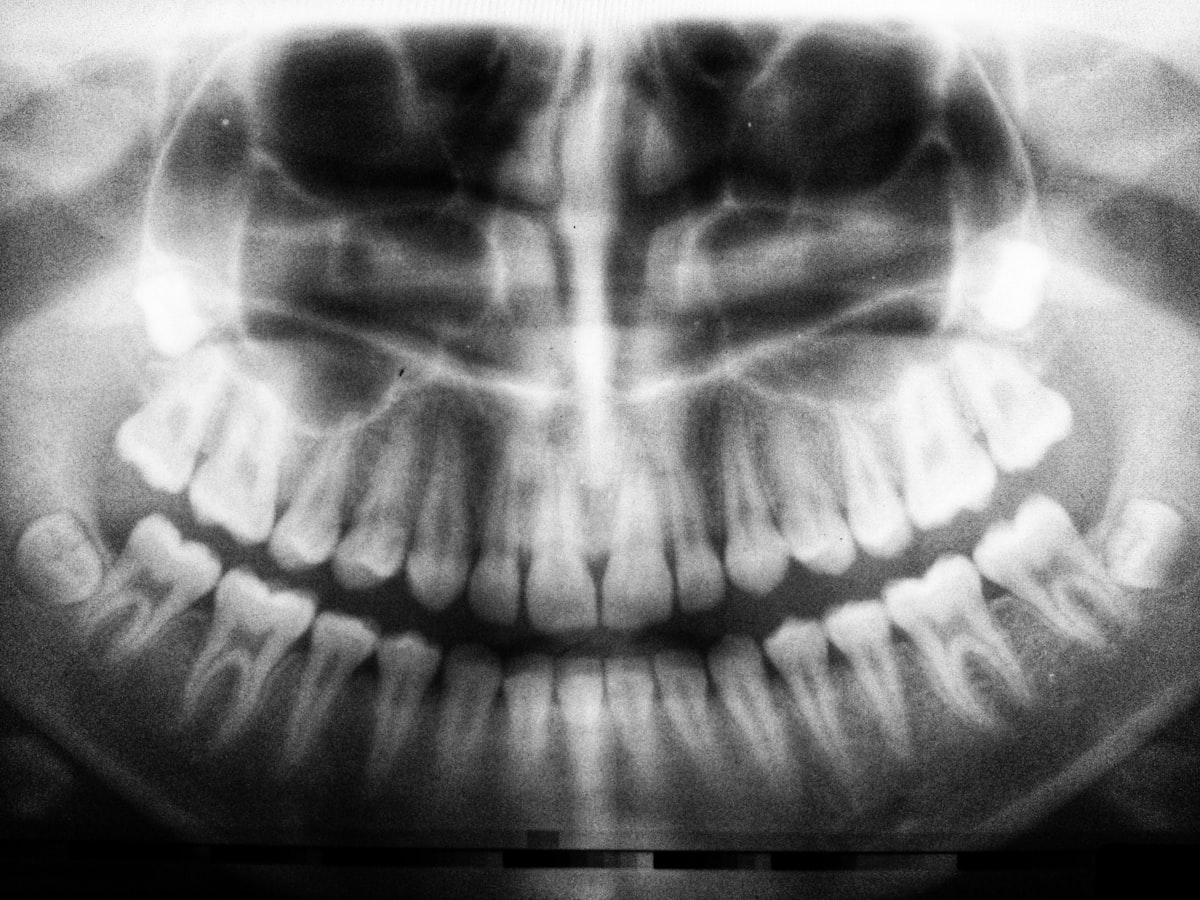
The part most patients don't expect is what happens beneath the gum line. Within the first year after a tooth is lost, you can lose up to 25% of the bone width at that site. By the two- to three-year mark, that bone loss is often severe enough that a dental implant—the best long-term replacement available—now requires a bone graft before it can be placed. A case that could have been straightforward becomes a two-procedure process with added healing time and cost. The tooth you were going to handle someday just got considerably more complicated.
The Teeth Around the Gap Don't Stay Still
Adjacent teeth begin drifting toward an open space almost immediately. It's a slow process, but it's happening. Over months and years, the teeth on either side of the gap tilt inward. The tooth directly above or below the empty space starts to over-erupt, slowly moving into the void. In my Greensboro practice, I see patients who waited two or three years and now have a bite that doesn't close correctly. At that point, we're not just replacing one tooth; we're also addressing teeth that have moved and may need to be repositioned or restored before a replacement can even be placed.
There's also the chewing compensation pattern most people develop without realizing it. You shift to the other side. You favor certain areas. Over time, that uneven loading accelerates wear on the teeth doing double duty. Back molars handle roughly 90% of the grinding and crushing work, so losing one without replacing it has real functional consequences. This includes effects on digestion since food isn't being properly broken down before swallowing.
Missing Tooth Replacement: Your Realistic Options
A dental implant is the gold standard, and the reason is functional. It's the only replacement that stimulates the bone at the site the way a natural tooth root does, stopping the resorption from progressing. Implants placed in adequate bone succeed at a rate of 95 to 98% over 10 years. A bridge is faster and less expensive upfront, but it requires grinding down the adjacent healthy teeth to serve as anchors, sacrificing perfectly good tooth structure in the process. A removable partial denture replaces the visible tooth but does nothing to prevent the bone loss continuing underneath.
The window where your options are simplest is roughly the first 6 to 12 months after losing a tooth. After that, expect bone grafting to become part of the conversation. Our dental implants page covers the full process from consultation to final crown, and our patient resources section walks through what to expect financially and clinically before you come in for a consultation.
Frequently Asked Questions About Missing Tooth Replacement
How long can I wait before replacing a missing tooth?
The practical window is six to twelve months. After that, the bone loss and tooth movement that have occurred start to significantly affect your treatment options. I've seen patients who waited five years, and their cases were genuinely complex, involving bone grafts, multiple procedures, and considerably more time and cost. Earlier is almost always less complicated and less expensive.
Does it matter if the missing tooth is in the back where nobody can see it?
Structurally, a missing back tooth often causes more functional damage than a missing front tooth, even though it's less visible. The back molars do the heavy lifting in chewing. Losing one without replacing it affects bite balance, accelerates wear on neighboring teeth, and over time can compromise the structural integrity of your overall bite. The consequences happen whether the gap is visible or not.
Is a dental implant worth the cost compared to just leaving the space?
When you account for the bone grafting that becomes necessary after waiting, the restorations needed on teeth that have drifted and worn unevenly, and potential crown work on an over-erupted opposing tooth, leaving the space frequently costs more over time than placing an implant early would have. And you still don't have a functional tooth at the end of it. An implant in healthy bone, placed before significant drift has occurred, is typically the most cost-effective long-term path.
The Emotional Impact of Missing Teeth
It's not just about function; it's also about how we feel. A missing tooth can affect our confidence and self-esteem. We may hesitate to smile or laugh, worried about what others might think. This emotional toll can be just as significant as the physical consequences. Replacing a missing tooth can restore not only your smile but also your confidence.
The Role of Advanced Dental Technology
At Lake Jeanette Family & Implant Dentistry, we utilize cutting-edge technology to ensure that your treatment is as comfortable and effective as possible. From digital imaging to 3D printing, our tools help us create custom solutions tailored to your unique needs. This means you can expect a smoother process and a more natural-looking result.
The Family-Like Experience You Deserve
We understand that visiting the dentist can be daunting. That's why we strive to create a warm, welcoming environment. Our team is dedicated to making your experience as comfortable as possible. We want you to feel like part of our family, and we are here to support you every step of the way.
Ready to Take the Next Step?
If you're considering replacing a missing tooth, now is the time to act. Dr. Brenes and the team at Lake Jeanette Dentistry are accepting new patients in Greensboro, NC. Call (336) 545-4281 or visit ljfamilydentist.com to book your consultation. Let's work together to restore your smile and confidence!
Comments